Social geriatrics, connected from one visit to the next.
When a home support worker notices a change during a visit, they can contact the social geriatrics navigator. With the older adult’s consent, the navigator shares relevant observations with their primary care or hospital team.
For community organizations, home-support providers and their clinical partners.
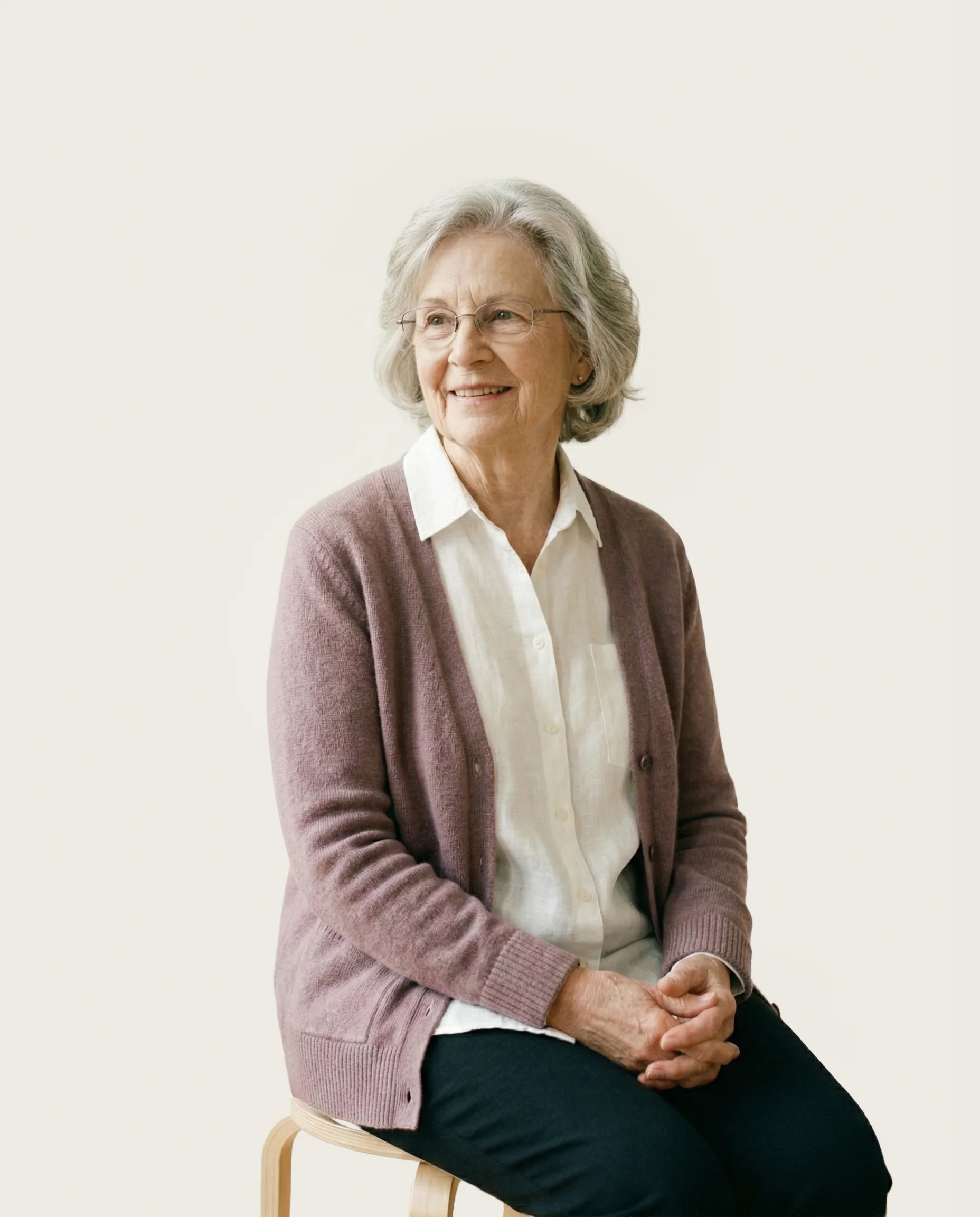
An observation starts at home. The response takes a team.
Social geriatrics supports older adults’ health and autonomy at home. Québec’s La fierté de vieillir action plan emphasizes prevention, home support and collaboration. Across Canada, the National Seniors Council also identifies a need for better coordination of health and social services.
-
Recognize what is changing
Difficulty with daily activities, a change in routines or a need for support may first be noticed by someone who knows the person. That observation needs to reach someone who can help.
-
Connect the right people
Navigators, home-support organizations, CLSC clinical teams and physicians bring different perspectives. Their collaboration continues across organizational boundaries.
-
Maintain continuity
Between a home visit, an alert review meeting and the next contact, the team needs to find the context, what was agreed and what still needs clarification.
One conversation through the care pathway.
A home visit gives the worker time to listen. Home support workers can record an observation when it suits the person they are visiting and pass it on as part of their usual follow-up.
Sentinel and navigator
The navigator gathers the reason for the alert and the relevant context. Together with the older adult, they clarify next steps and what information can be shared, in keeping with the consent obtained.
Navigator
Forms organize the information collected. Notes and documents stay connected to the person’s follow-up, ready to inform the next conversation.
Navigator and clinical partner
Before an alert review meeting, known in Québec as a discussion des alertes (DDA), team members can find the relevant information and questions to address. The discussion can continue in the secure conversation.
Team and partners
Exchanges capture the direction agreed and any new observations. At the next contact, authorized participants can pick up the follow-up with this shared context.
The older adult participates in decisions. Clinical assessment and response arrangements remain the responsibility of the practitioners and their organizations.
In Braver
Record the visit and prepare the handoff.
Observations, documented consent and the summary to share stay connected to the person. The organization configures the form; staff choose which resources to contact.
 Consent documentedGiven by Mrs. Bouchard
 Visit summary attachedSent to the clinic through a secure link
Working alongside Fondation AGES.
Fondation AGES uses Braver to coordinate and document its social geriatrics pathway. The collaboration brings together conversations between team members, structured information and the documents needed for follow-up.
Lead organization
-
Social geriatrics pathway
-
Information brought together for the team
Conversations and forms complement one another: fields organize information, while the conversation keeps the explanations and exchanges about the person’s situation.
-
Room for external clinical partners
Collaboration includes clinical resources outside the organization. With braver.connect, an invited professional can view shared information and respond through a secure link, without creating an account.
Connecting community screening with medical follow-up.
Collaborative initiative
-

Project with Fondation AGES and Université Laval
Braver is working with Fondation AGES and Université Laval on an envisAGE project for community screening of atrial fibrillation. The project aims to support communication between community services, primary care and specialists. It illustrates the role of a communication tool within a defined clinical pathway.
Tools for the work between meetings.
-
Keep exchanges connected to the person
Messages, notes and documents belong to a care channel. Authorized participants can follow the conversation and add the details that matter.
-
Document visits and report on follow-up
Workers record observations and follow-up on alerts in structured forms. Fondation AGES and its partners can use these data to compile statistics, report on work in the community and assess the impact of the care pathway.
-
Work with external partners
braver.connect lets you invite a professional through a secure link. The team shares relevant information with the person involved in the follow-up.
-
Manage access to information
Encryption and access controls support confidential exchanges. Sharing arrangements are defined with your organization, according to participants’ roles and consent.
Start with your actual care pathway.
Our first discussion focuses on how you organize follow-up. Together, we look at how Braver can fit into that work.
Who receives alerts and prepares the review meetings?
What information and documents does the team need to find?
Which partners take part in follow-up, with what access?
How do you obtain consent and record agreed next steps?
A closer look at your project.
-
Who is this solution for?
Organizations delivering a social geriatrics pathway, including community groups and social-economy home-support organizations (EÉSAD), and the clinical partners working with them. The configuration reflects each team’s responsibilities.
-
Does every partner need a Braver account?
No. An external professional can be invited to join an exchange through braver.connect without creating an account. Regular team members use their Braver workspace.
-
Can Braver help teams prepare alert review meetings?
Yes. Team members can bring together useful observations, forms and documents before a discussion des alertes (DDA), then keep the exchanges that clarify follow-up. The team decides how to organize its meetings.
-
How is consent handled?
Your organization defines how consent is obtained, documented and respected when sharing information. Forms and documents associated with the follow-up can keep that record; the arrangements are established with your team.
Further reading
The social geriatrics model, its context and the collaborations described on this page.
-
The model and the pathway of an alert
Fondation AGES
-
La fierté de vieillir — 2024–2029 action plan
Government of Québec
-
Supporting Canadians aging at home
National Seniors Council
Let’s talk about your social geriatrics pathway.
Tell us about your team, your partners and how you work. We will show you how to organize communication and documentation in Braver.